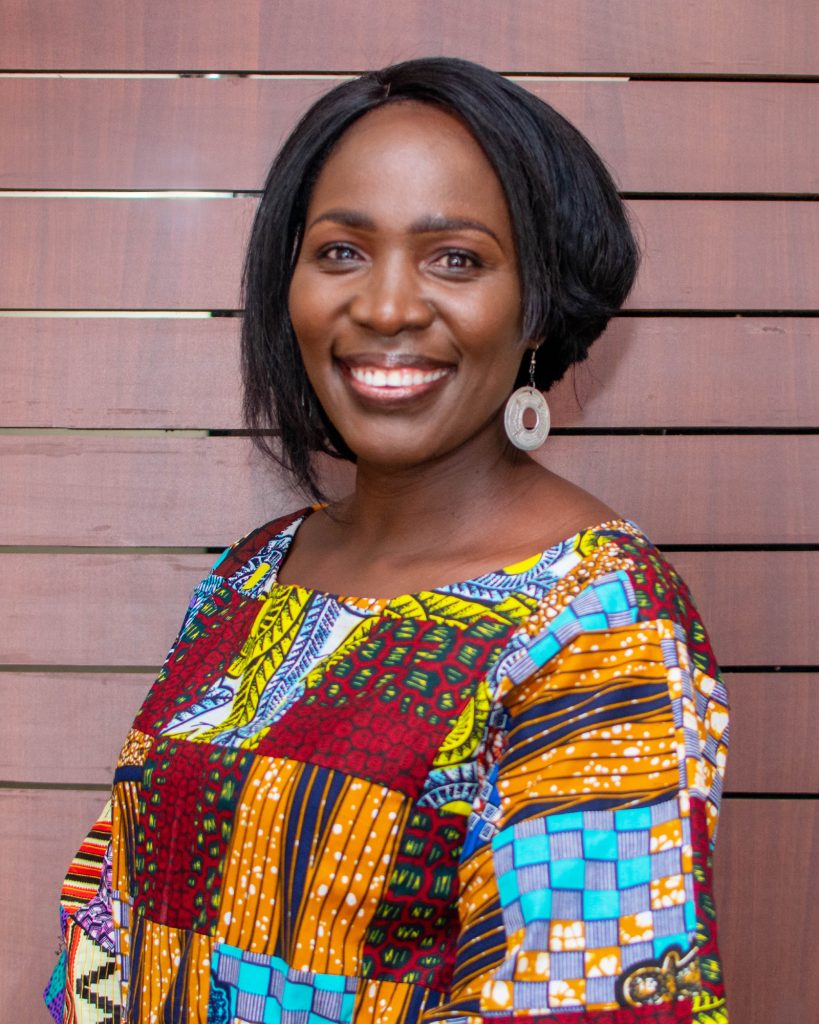
Teddy Atim
Visiting Fellow
MAHA Class of 2009
Contact
Working with Feinstein since 2008
Based in Uganda
Teddy Atim is a visiting fellow at the Feinstein International Center, where she collaborates on research projects relating to gender and conflict. She has more 15 years of experience working as a practitioner and researcher in humanitarian emergencies and post-conflict settings.
Teddy’s work is mainly focused in Uganda and she has also collaborated on research in other conflict affected states in Africa, including Rwanda, Democratic Republic of Congo, Liberia, Sierra Leone, Nigeria, and Niger. Her research examines how experiencing armed conflict, forced conscription, sexual violence, forced impregnation and child bearing, killings and forced disappearance, and loss of livelihoods impacts the lives of affected populations, both during and in the aftermath of conflict. She also studies the psychosocial impacts of armed conflict, recovery, transitional justice, and serious crimes.
Teddy also has extensive experience as a practitioner, working with children, women, young people, families, and communities affected by armed conflict. She worked with various national and international organizations to provide humanitarian assistance, including grant making in humanitarian situations, peace building, and recovery.
She holds a B.A. in Social Sciences from Makerere University in Kampala, Uganda, an M.A. in Humanitarian Assistance from The Fletcher School of Law and Diplomacy and the Friedman School of Nutrition Science and Policy at Tufts University, and a Ph.D. in International Development from Wageningen University, the Netherlands.
RESEARCH INTERESTS
- Children and youth in challenging contexts or situations
- The impact of armed conflict, particularly, serious crimes and how survivors/victims rebuild in the aftermath
- Recovery and transitional justice measures, specifically, remedy and reparation
- Gender and armed conflict, preceding, during, and after conflict
REGIONAL FOCUS
- East Africa
- West Africa
COURSES TAUGHT
MOST CITED BOOKS & ARTICLES
MOST RECENT EXTERNAL PUBLICATIONS
NEWS STORIES
On February 28, 2024, the International Criminal Court ordered reparations of more than $56 million to victims of Ugandan rebel commander Dominic Ongwen. Feinstein Visiting Fellow Teddy Atim was one…
Anastasia Marshak, Teddy Atim, and Dyan Mazurana published their article, “International Humanitarian Law Violations in Northern Uganda: Victims Health, Policy, and Programming Implications,” in the Journal of Public Health Policy…
Feinstein International Center visiting fellow Teddy Atim was awarded a York University Liberal Arts and Professional Studies Fellowship to continue her work on sexual violence in Uganda alongside supervisor Annie…
On Tuesday March 10, Dyan Mazurana, Anastasia Marshak, and Tom Dannenbaum presented findings from a Feinstein assessment of the lasting effects of massacres conducted by the Lord’s Resistance Army (LRA)…
The Daily monitor, one of the major daily newspapers in Uganda, published an article of “School’s Out: Why Northern Uganda’s Girls and Boys Are Not Getting an Education and What…
Teddy Atim, Tufts University People in Uganda bear long term physical, emotional, social and economic scars from the years of deadly conflict. EPA/Stephen Morrison For over two decades between 1986…
In May, Teddy Atim was an expert witness at the International Criminal Court (ICC) in the ongoing trial of Lord’s Resistance Army Commander Dominic Ongwen. The court charged Ongwen with…
On May 4, 2018, Teddy Atim testified at the International Criminal Court (ICC) at the trial of former Lord’s Resistance Army (LRA) commander, Dominic Ongwen. Ongwen has been charged for…
Teddy Atim is working with Life of the Law to produce a three part podcast series about the effects of the Lord’s Resistance Army that abducted more than 60,000 people,…
Disasters Journal published Teddy Atim, Dyan Mazurana, and Anastasia Marshak ‘s paper on their study of women survivors of wartime sexual violence. Women survivors face challenges in gaining acceptance on return to…
How to stop the scales of justice being loaded against women and girls in Africa Court proceedings are rarely sensitive to the inequalities faced by women and girls in Africa….
On December 1, Feinstein researchers published an article in Third World Thematics. The article, “Disability and recovery from war in northern Uganda,” explores the prevalence and impact of disabilities resulting from…
On Friday September 23, Feinstein’s Rachel Gordon presented a panel at the Nordic Africa Days, the Nordic Africa Institute’s biannual conference. The panel—titled: Gender, sexuality, and violence during and after…
The Agriculture Knowledge, Learning, Documentation and Policy Project (AKLDP) has been awarded $730,000 by USAID Ethiopia to continue its work providing collaborative learning and coordination support across the USAID Feed…
On June 21, 2016 Teddy Atim was a panelist for an online dialogue on gender, justice, and reparation for women war survivors in northern Uganda. The event was organized by…
Teddy Atim shared her experiences on a panel at the Transitional Justice in the Great Lakes Region Conference hosted by International Center for Transitional Justice (ICTJ) from May 17-18, 2016….
Teddy Atim presented at the Stockholm Forum on Security and Development on April 5, 2016. She shared data from Secure Livelihoods Research Consortium (SLRC) Uganda program on service delivery in…
Two Feinstein/Secure Livelihoods Research Consortium (SLRC) research projects were presented at the World Conference on Humanitarian Studies: Teddy Atim helped organize the “Gender, Sexuality and Violence in Humanitarian Crises” panel….
FEINSTEIN PUBLICATIONS
The Guidelines for Participatory Water Management and Development in Karamoja, Uganda, were developed to improve the planning, development, and management of domestic and livestock water sources, using an easy-to-use 3-phase,…
This study examines how anticipatory action was perceived and experienced among Ethiopians living with drought alongside other crises.
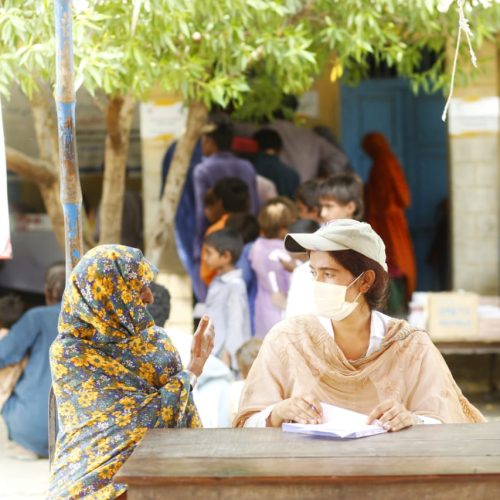
Building on a previous report on the localization of humanitarian assistance, this study focuses on issues unique to the localization of humanitarian research.
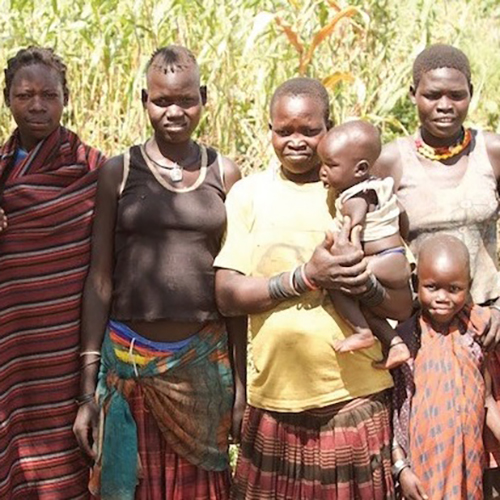
In July 2022 the Ugandan media reported that 900 people had died of hunger or hunger-related diseases in the Karamoja sub-region since February 2022, and that 8 out of 10…
This real-time review aims to document the events that led to Karamoja’s hunger crisis in 2022, the reporting of the worsening situation by early warning systems, and the responses of…
This brief investigates the perceptions and experiences of young women related to wealth, livelihoods, and aspirations in Uganda’s Karamoja sub-region.

Four case studies that illustrate how key concepts related to the localization of humanitarian action differ across contexts.
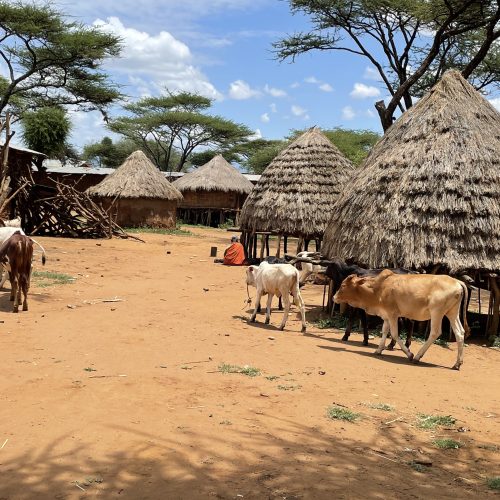
New shocks (such as Covid-19) and persistent shocks (such as livestock and crop disease) caused rapid changes for young men and women in the Karamoja sub-region of Uganda between 2019…

This landscape study about localization examined the literature and spoke to over five dozen key informants from different perspectives, positions, and countries across the humanitarian sector.
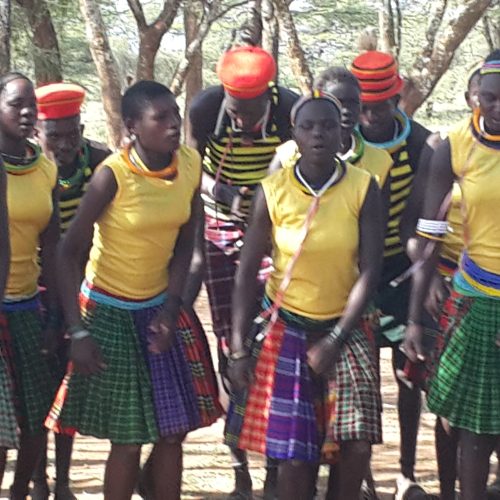
This briefing paper explores some of the major life events and social markers for young people in the Karamoja sub-region of Uganda.
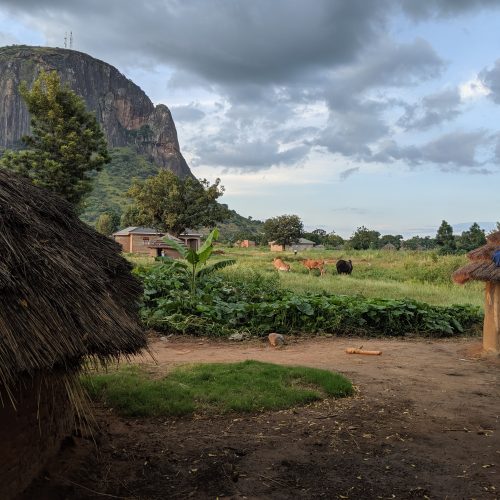
This report describes household recovery in northern Uganda from the 20 years of conflict between the Lord’s Resistance Army (LRA) and the Government of Uganda (GoU) by following the same…
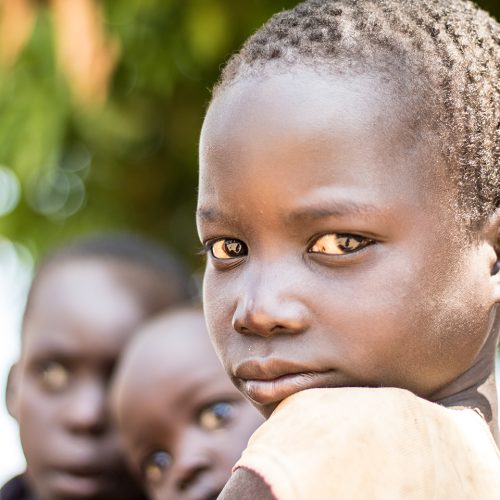
This working paper presents findings from research examining the sharp decrease in girls and boys school attendance that was witnessed between 2013–2018 in northern Uganda.
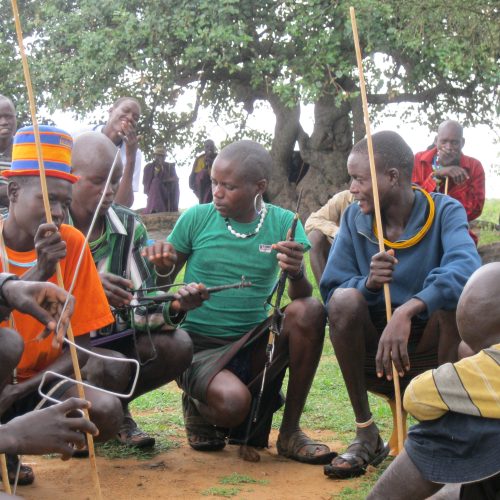
This report presents findings on the experiences and aspirations of male and female youth as they interact with the economic and aid systems in the Karamoja sub-region of Uganda. This…
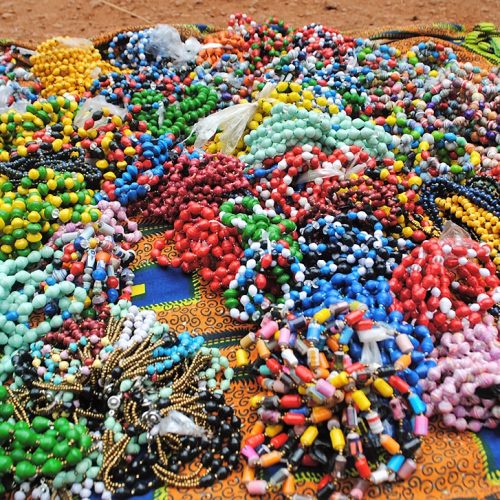
This working paper presents findings on the migration of youth from Acholi, Uganda to the urban areas of Gulu and Pabbo in northern Uganda, and to the Acholi Quarter neighborhood in Kampala.
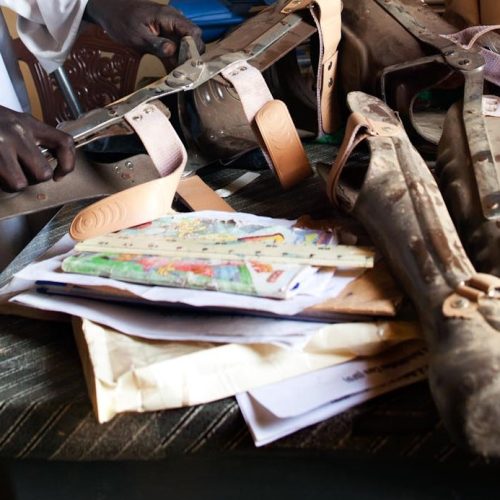
This large-scale study from northern Uganda investigates how experiences of alleged war crimes or crimes against humanity relate to victims’ disability and how these experiences affect food security, wealth and access to basic services, including their access to basic and therapeutic healthcare over time.
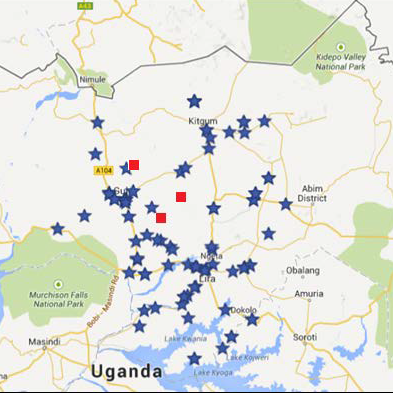
This is an independent, in-depth assessment of the victims’ experiences before, during, and after the attacks at three internally displaced camps in northern Uganda. These attacks are at the heart of the International Criminal Court case against Dominic Ongwen, a former commander in the Lord’s Resistance Army. In May 2018, the report was submitted as evidence, presented, and defended before the ICC.
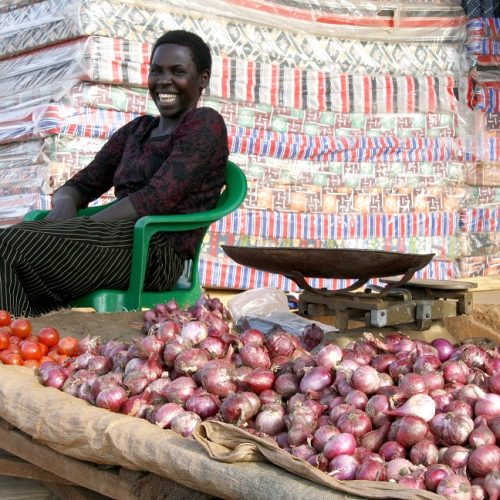
This report is a review of agricultural development trends in the Karamoja sub-region of northeast Uganda. The review was conducted in early 2018, and involved consultations, interviews, and workshops in…
This report presents a series of challenges to conventional thinking around livelihood recovery for war-affected populations.
Through a case study in Uganda’s second largest town, Lira, the research sets out to examine what the dynamics of young people’s work look like.
Through a case study of one recently redeveloped marketplace in northern Uganda, this study sets out to shed some light on what happens when attempts to modernize and formalize economic activity come into contact with the local realities of how trading, power and politics actually work
This working paper examines the urban labor market in Lira, a large and expanding town in post-conflict northern Uganda.
Victims of serious violations of international human rights law and international humanitarian law have a clearly established right to remedy and reparation. This right must be recognized without discrimination of…
In 2012/13, the Secure Livelihoods Research Consortium (SLRC) implemented the first round of an original sub-regional panel survey in northern Uganda aimed to produce data on livelihoods, access to and…
In 2012/13, SLRC implemented the first round of an original sub-regional panel survey in Uganda aimed to produce data on livelihoods, access to and experience of basic services, exposure to…
Victims of serious violations of international human rights law and international humanitarian law have a clearly established right to remedy and reparation. This right must be recognized without discrimination of…
This report is part of a series by Feinstein International Center that examines the impact of armed conflict on civilian populations in northern Uganda and struggles for redress and remedy.
FEINSTEIN RESEARCH PROJECTS
This research program seeks to understand the enabling and hindering factors that support localized or locally led humanitarian responses to natural disasters, conflicts, and prolonged complex emergencies.
Feinstein’s work as part of the Apolou project seeks to understand the impacts over time of a shift to an increasingly cash-based economy on different wealth, livelihood, and demographic groups.
The One Nutrition in Complex Environments (ONCE) study tests a new way of preventing and addressing acute malnutrition through a cluster-randomized trial.
This project seeks to provide timely, precise, and insightful documentary evidence and analysis, drawing on our investigation into how victims and survivors view and experience these justice mechanisms. We aim to inform the processes as well as policies and responses that emerge as the processes unfold.
The Secure Livelihoods Research Consortium aims to generate a stronger evidence base on how people in conflict-affected situations make a living, access basic services like health care, education and water, and perceive and engage with governance at local and national levels.
The AKLDP is a five-year project of USAID Ethiopia which provides collaborative learning and coordination support across the Feed the Future portfolio, leading to improved agriculture, livestock and pastoral policy and programming.