
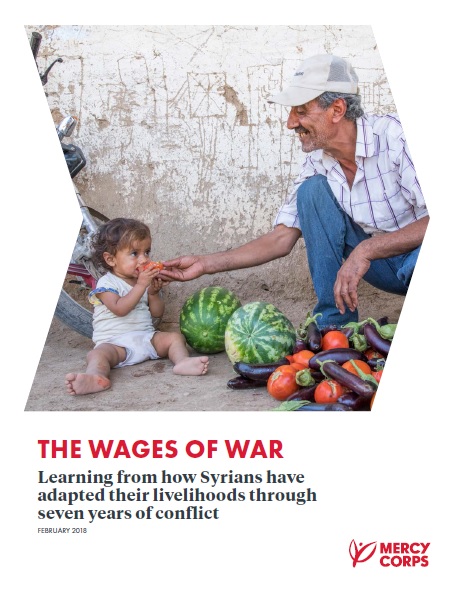
The scale of death and suffering in Syria is monumental. What began as a peaceful protest in 2011 has spiraled into a humanitarian crisis unprecedented for our modern times: The war has killed as many as 400,000 Syrians and displaced 11 million more. Humanitarian needs remain enormous as the conflict wages on. The U.N. estimates that 8 in 10 people in Syria—including 6 million children—require humanitarian assistance. The crisis has set Syria’s development back nearly four decades. Despite these immense challenges, Mercy Corps’ work in Syria has found that some households are managing the devastating impacts of war better than others. We undertook this research to understand why.
The Wages of War: Learning from how Syrians have adapted their livelihoods through seven years of conflict
ASSOCIATED PROJECT
SUBJECTS
PUBLICATION TYPE
LOCATION
RELATED PUBLICATIONS
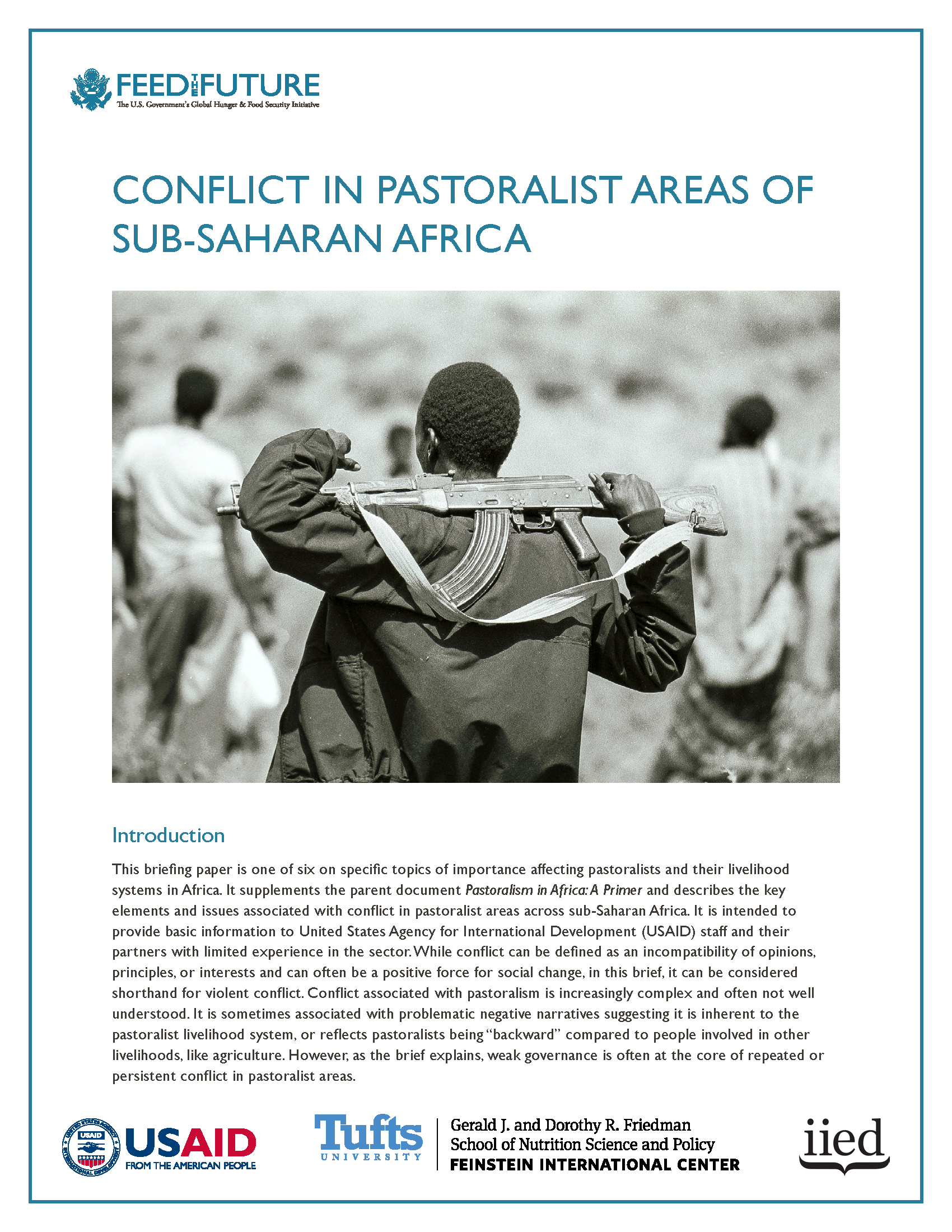
This briefing describes the key elements and issues associated with conflict in pastoralist areas across sub-Saharan Africa.
•
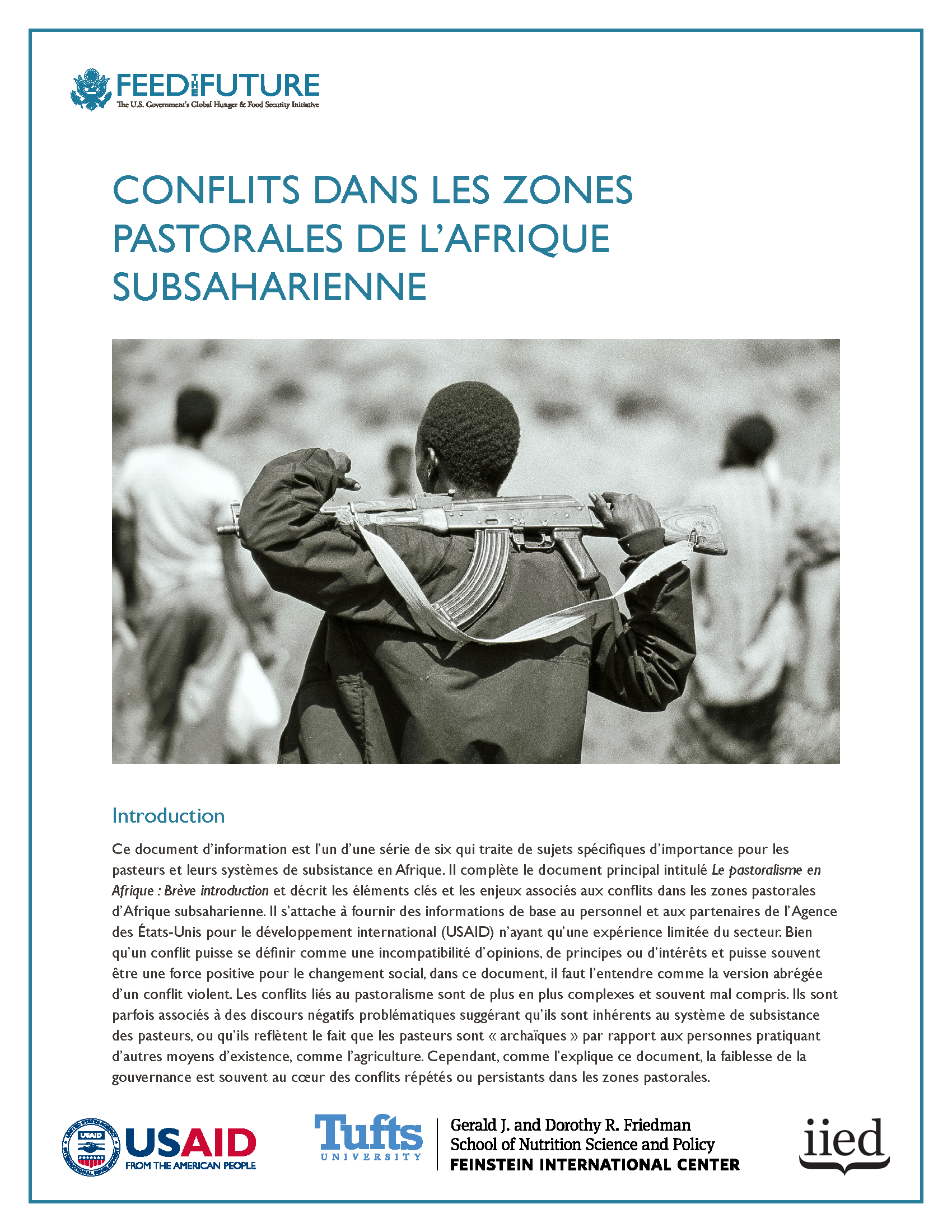
Ce document d’information décrit les éléments clés et les enjeux associés aux conflits dans les zones pastorales d’Afrique subsaharienne.
•
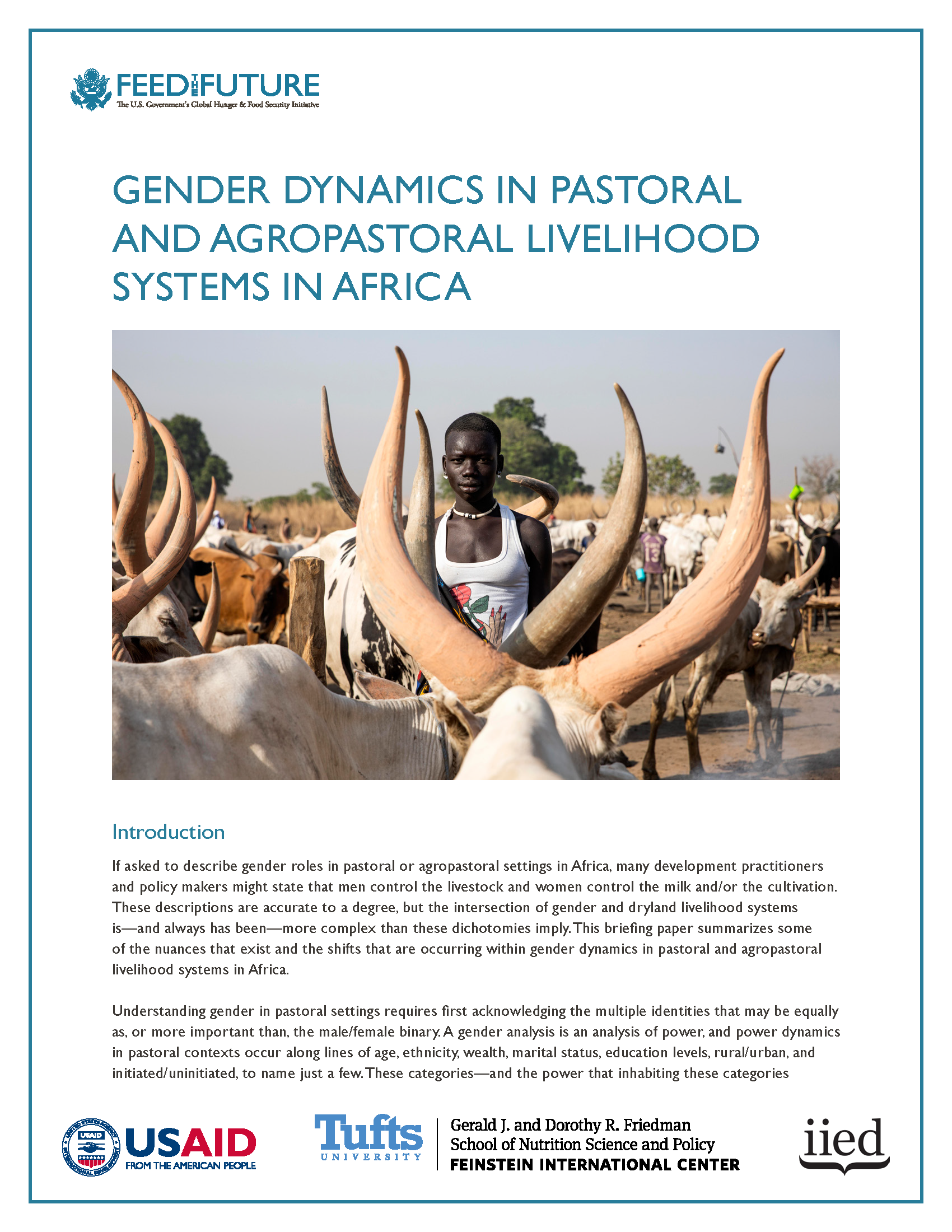
This briefing paper summarizes some of the nuances that exist and the shifts that are occurring within gender dynamics in pastoralist livelihood systems in Africa.
•
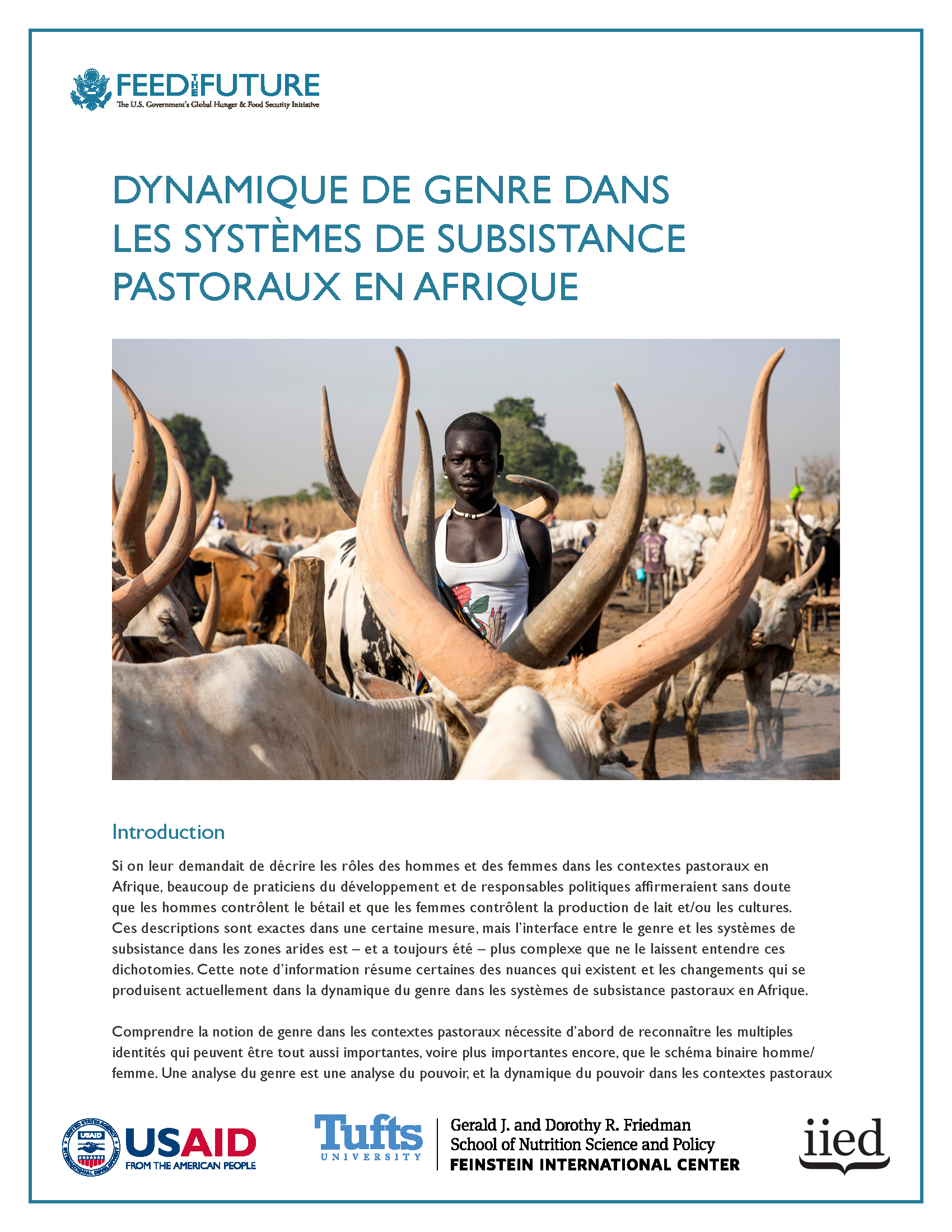
Cette note d’information résume certaines des nuances qui existent et les changements qui se produisent actuellement dans la dynamique du genre dans les systèmes de subsistance pastoraux en Afrique.
•
This study examines how anticipatory action was perceived and experienced among Ethiopians living with drought alongside other crises.
•
This learning brief explores the continuity and changes to livelihoods in select sites in Isiolo and Marsabit Counties, Kenya, and reviews the implications of the continuity and the changes on the drivers of child acute malnutrition.
•