
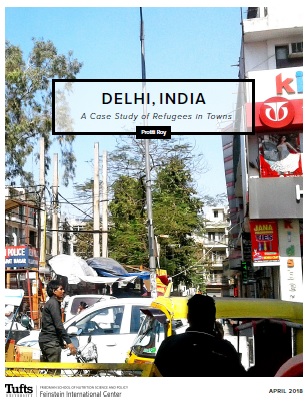
Food, when unavailable, is a human security concern―from famine and food riots at the community level, to malnutrition, stunted growth, and deficiency diseases at the individual level. When available, food can be an emotional experience, a community identity, or an economic industry. Refugees in Delhi, India are bridging these two aspects of food when they cook dishes from their hometowns and sell it as a livelihood strategy. The report is written by a lifelong resident of Delhi.
Delhi, India: A Case Report of Refugees in Towns
ASSOCIATED PROJECT
SUBJECTS
PUBLICATION TYPE
LOCATION
RELATED PUBLICATIONS
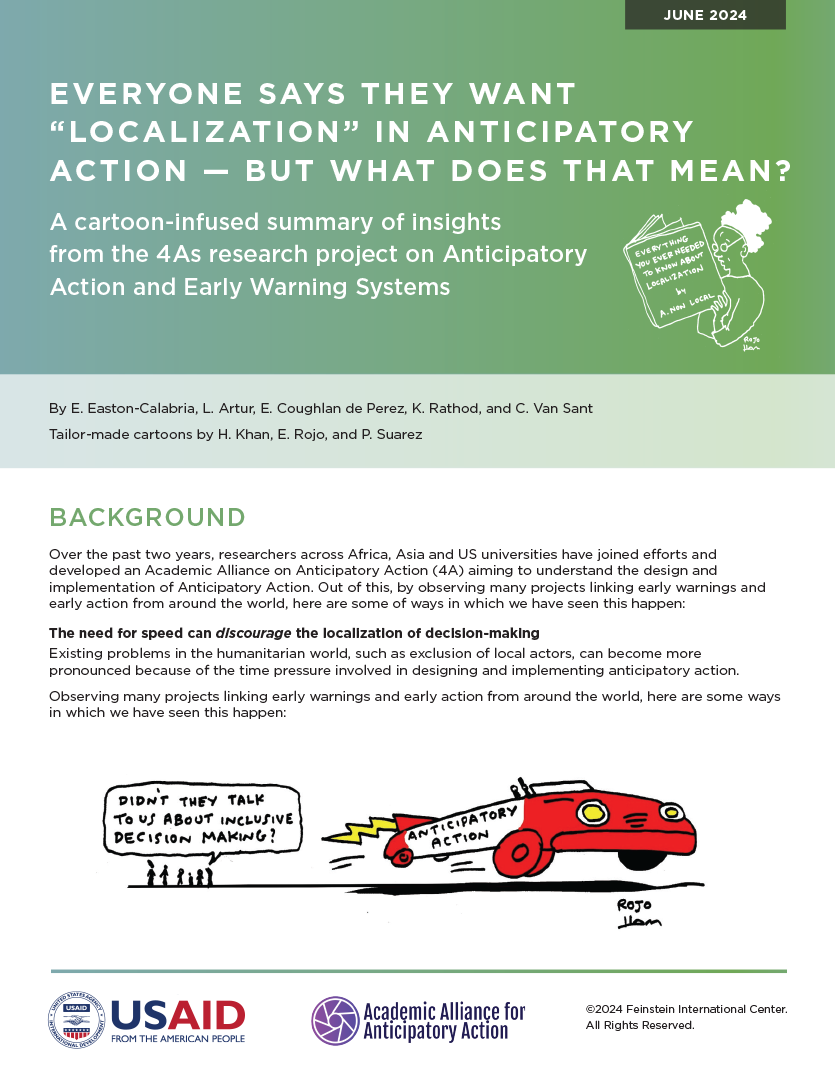
The time pressure involved in designing and implementing anticipatory action can discourage the localization of decision-making. Learn more from a cartoon-infused summary of insights.
•
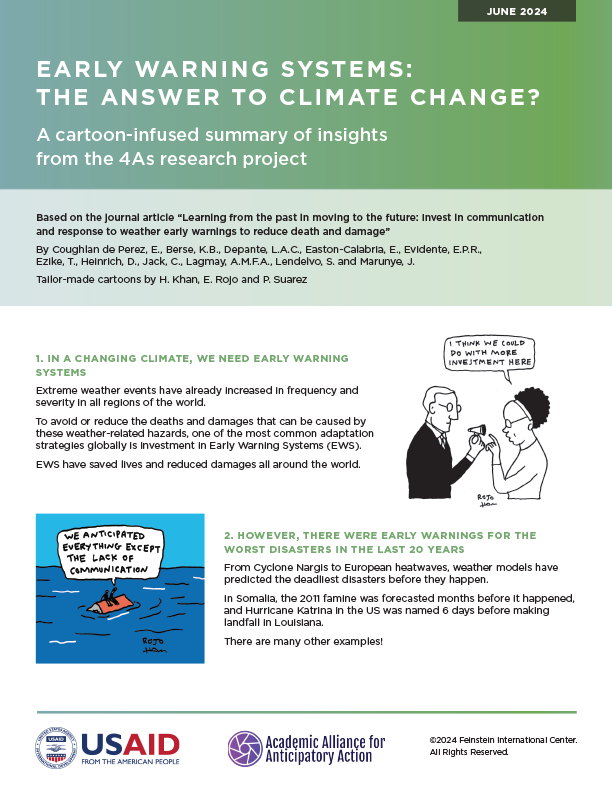
Early Warning Systems can reduce deaths and damages caused by extreme weather events, if investors address gaps in communication and planning. Learn more from a cartoon-infused summary of insights.
•
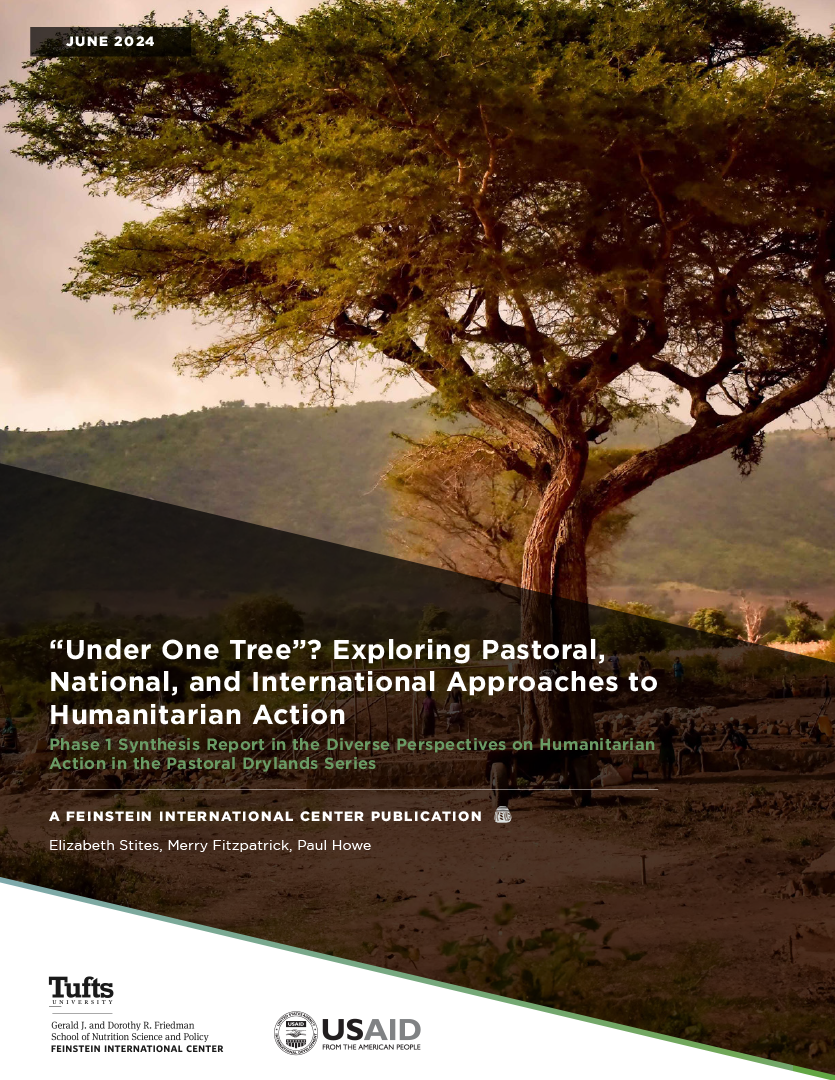
This synthesis report reflects upon Phase 1 findings on humanitarian action in pastoral drylands of the Greater Horn and Sudano-Sahel.
•
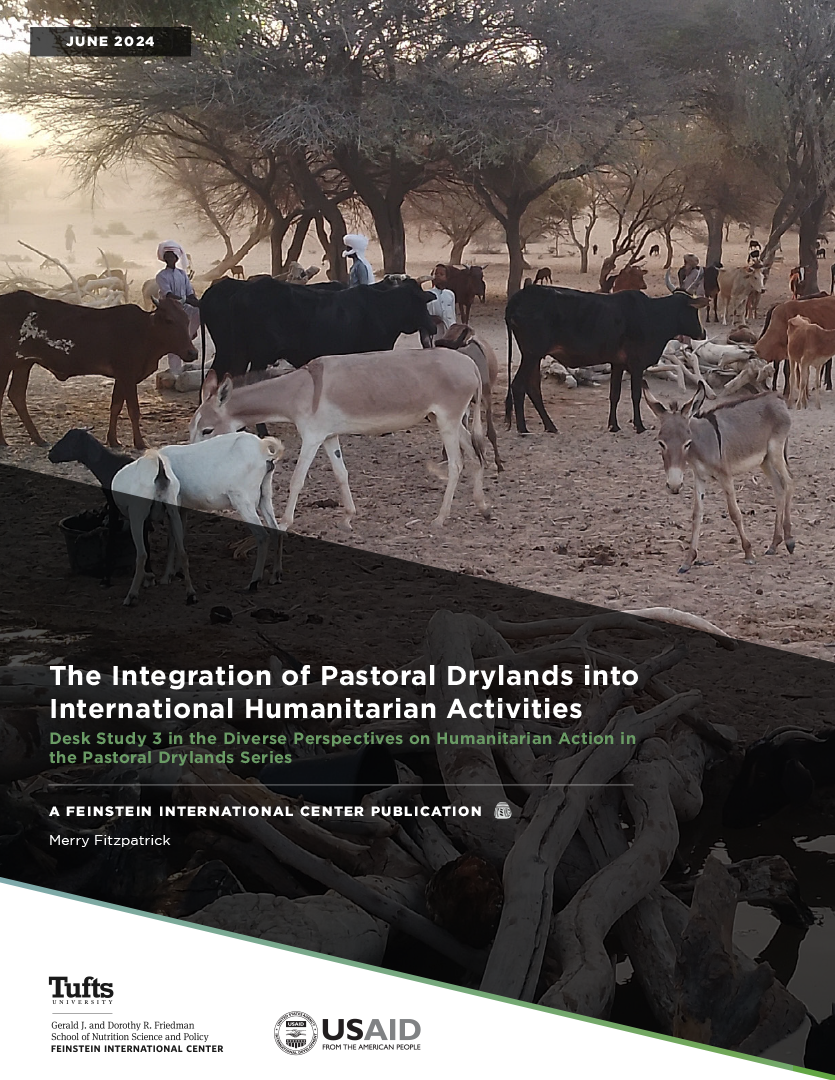
This desk study examines common perceptions of pastoralism among humanitarians and barriers to international humanitarian systems meeting pastoralists’ needs.
•
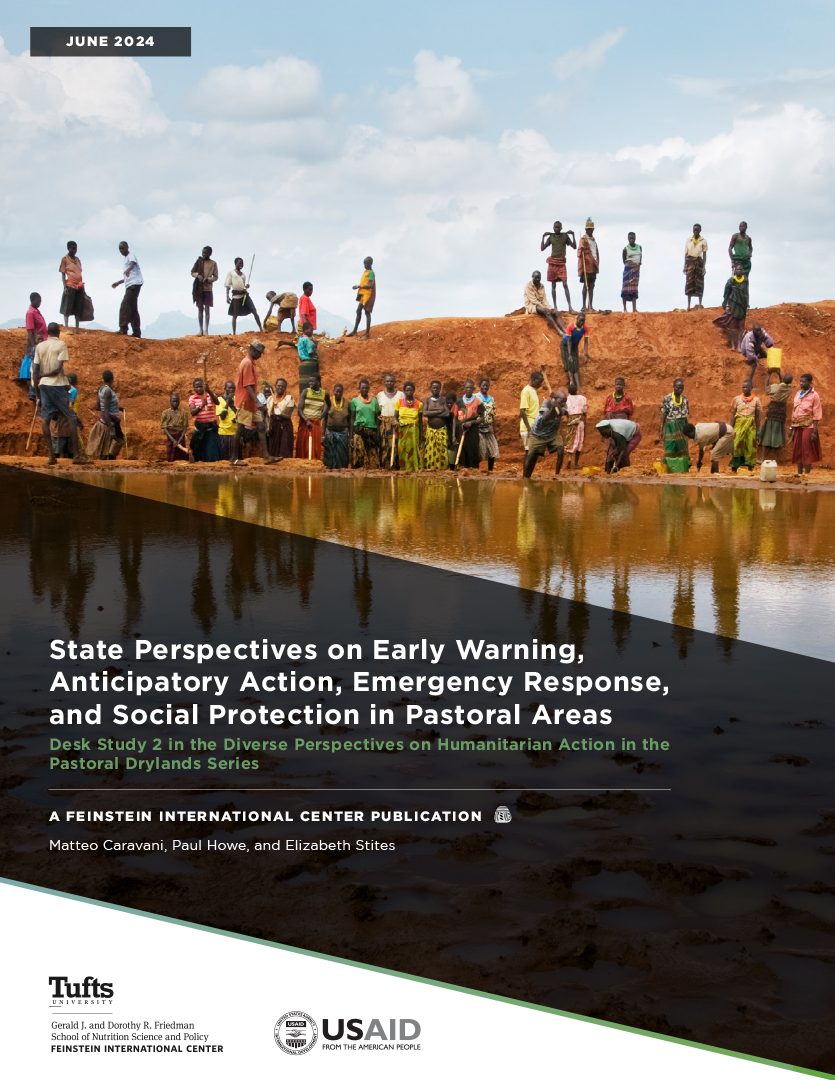
This desk study explores how state-owned policies and programs in pastoral areas of the Sudano-Sahel and the Greater Horn of Africa meet pastoralists’ needs and priorities.
•
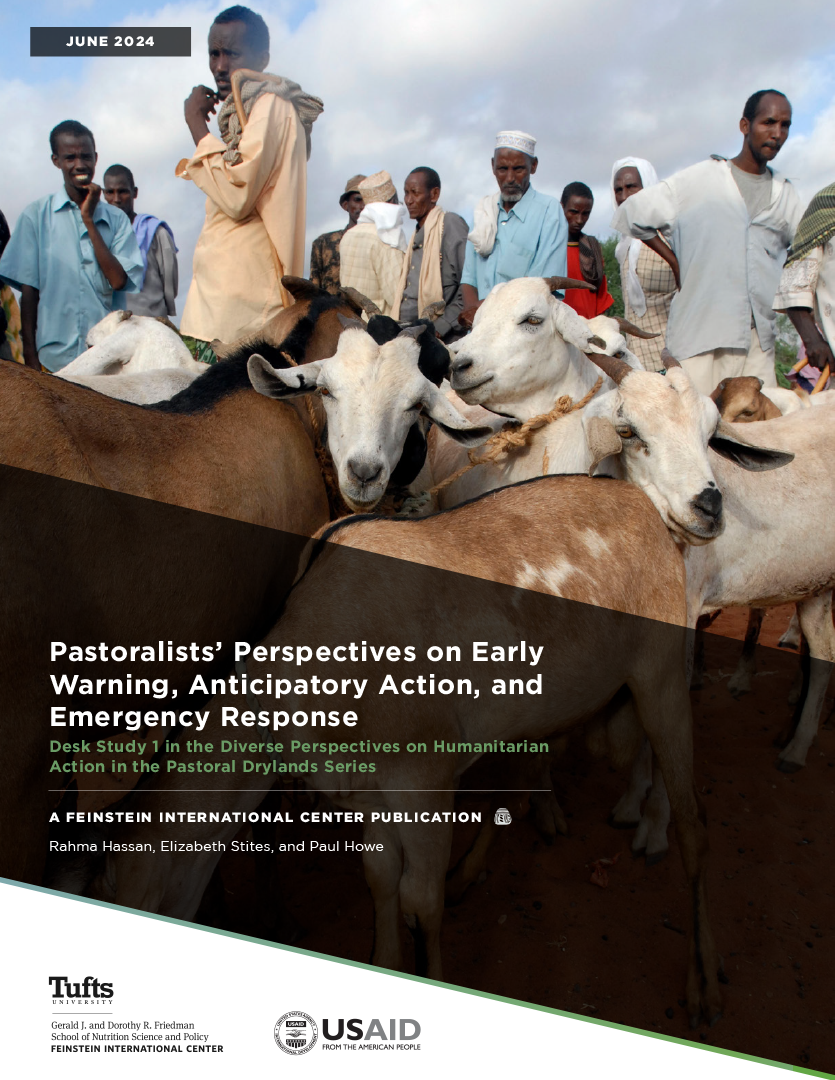
This desk study explores how pastoralists manage climate, conflict, and other stresses through indigenous early warning systems, preventive actions, local emergency responses, and customary safety nets.
•