
Dan Maxwell and colleagues including, Peter Hailey and Anastasia Marshak published “Using the household hunger scale to improve analysis and classification of severe food insecurity in famine-risk conditions: Evidence from…
Peter Hailey
Contact

Peter Hailey is a nutrition specialist with extensive international experience managing large scale nutrition specific and sensitive programs. He recently completed an assignment as chief of nutrition in UNICEF Somalia where he successfully led UNICEF’s extensive scale up in nutrition and cash programming in response to the 2010/11 famine. Prior to this, he worked with UNICEF and NGOs in emergencies around Africa, the Balkans, and Central Asia. In 2014, with a colleague he started a trust, Centre for Humanitarian Change (CHC), based in Kenya working on issues related to a new way of working in the fragile areas of East Africa. His work for CHC has involved consultancies and research on adaptive learning, health system strengthening, surge approaches, localization and marginalization in Somalia, and resilience in East Africa and beyond. He is a member of the Famine Review Committee, an independent committee, supporting the Integrated Phased Classification System in countries where famine is a high risk.
He has published research related to nutrition information systems in emergencies and contributed to research on the 2010/11 famine in Somalia and on famines more widely. His passion is to be wild bush camping with his family in as many places in Africa as possible.
RESEARCH INTERESTS
REGIONAL FOCUS
COURSES TAUGHT
MOST CITED BOOKS & ARTICLES
MOST RECENT EXTERNAL PUBLICATIONS
RECENT NEWS
FEINSTEIN PUBLICATIONS

This policy brief examines the relationship between famine declarations and funding since 2011. It shows that, with that one exception, there is little evidence that famine declarations actually result in a rapid increase in funding.
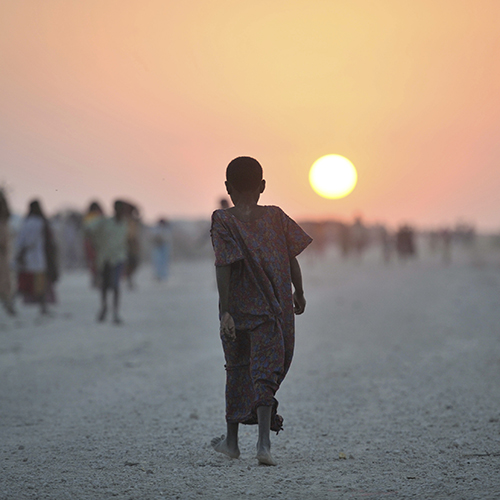
This report rings the alarm about likely famine in Somalia in 2022 by comparing the situation today with the situation before and during the famine in 2011.
This paper reviews real-time monitoring (RTM), how it fits into a humanitarian information system, how systems quickly adjusted toward RTM in 2020, and provides a series of case studies of RTM systems, their objectives, and their outcomes.
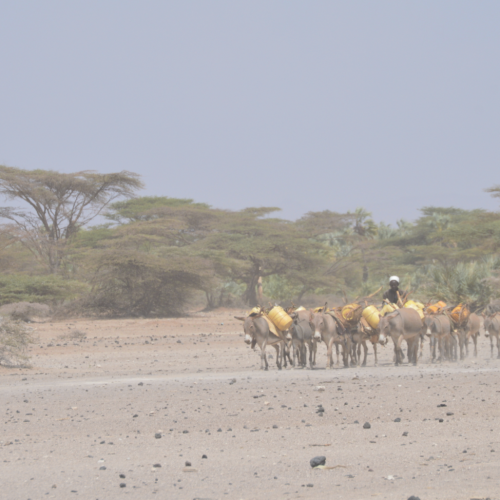
This study employed an active case identification approach to identifying the worst affected households in communities and make recommendations for how classification could be further improved.
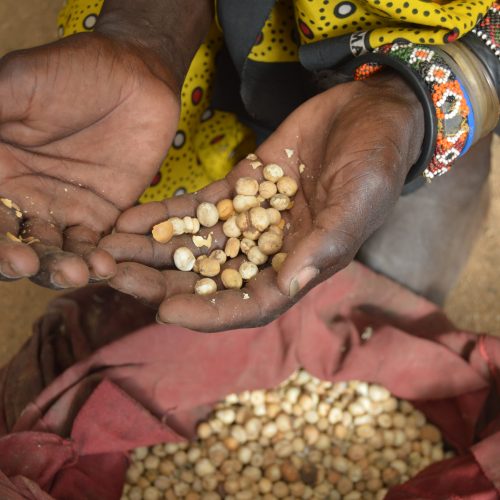
This is a brief on the full report of the study that synthesized findings from six different country case studies, noting influences on data collection and analysis processes during emergencies.

This brief lays out lessons from our study of famine information systems and considers how they may be applicable to the coronavirus pandemic response.
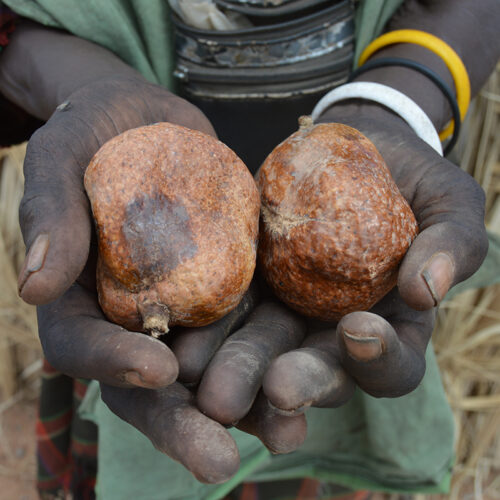
This study synthesized findings from six different country case studies, noting influences on data collection and analysis processes during emergencies.
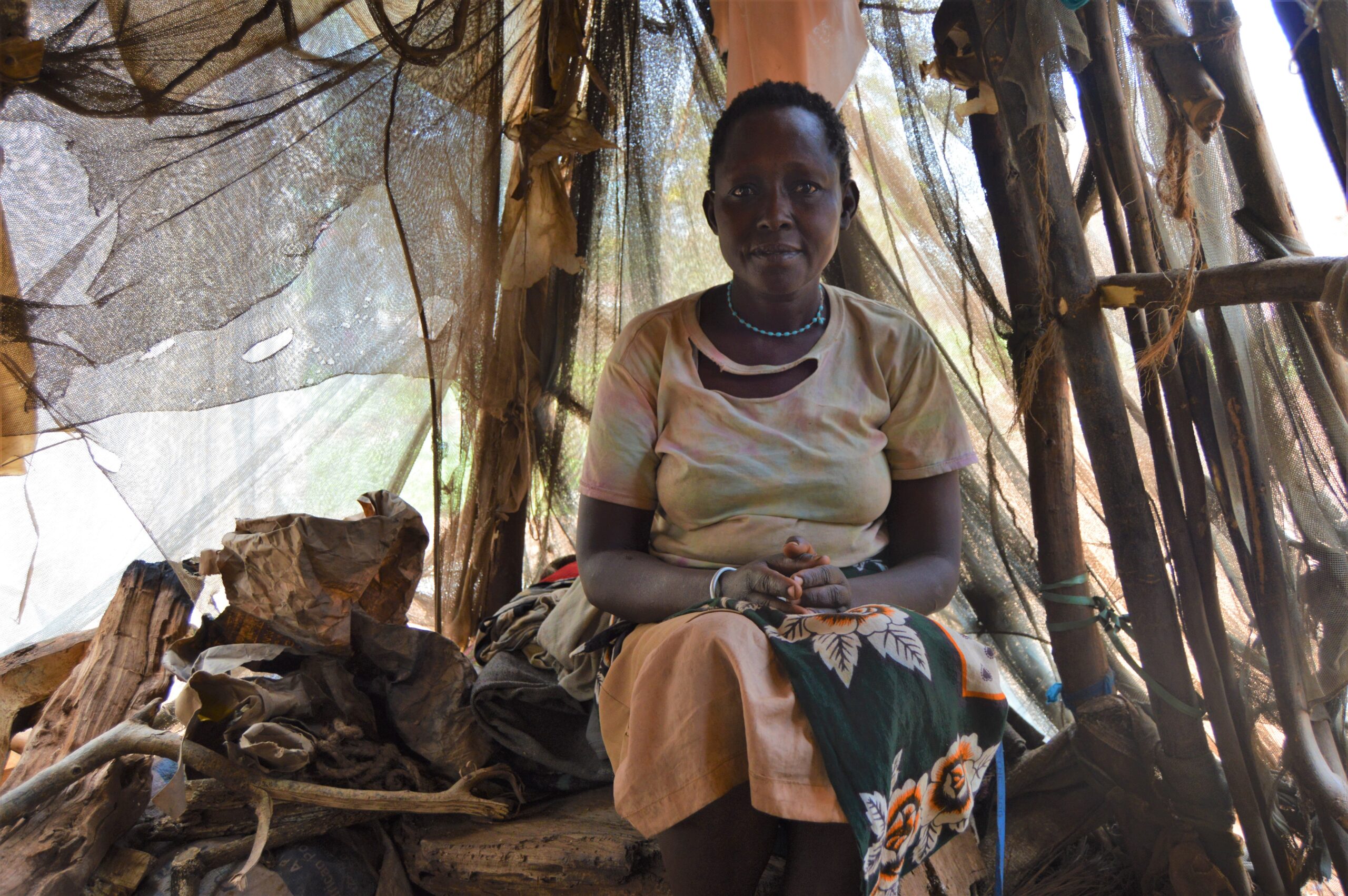
This report provides recommendations related to managing the political influences and improving the technical quality of the data and analysis in Kenya.

This study examines the politics of information and its influences on humanitarian information systems in Ethiopia today.
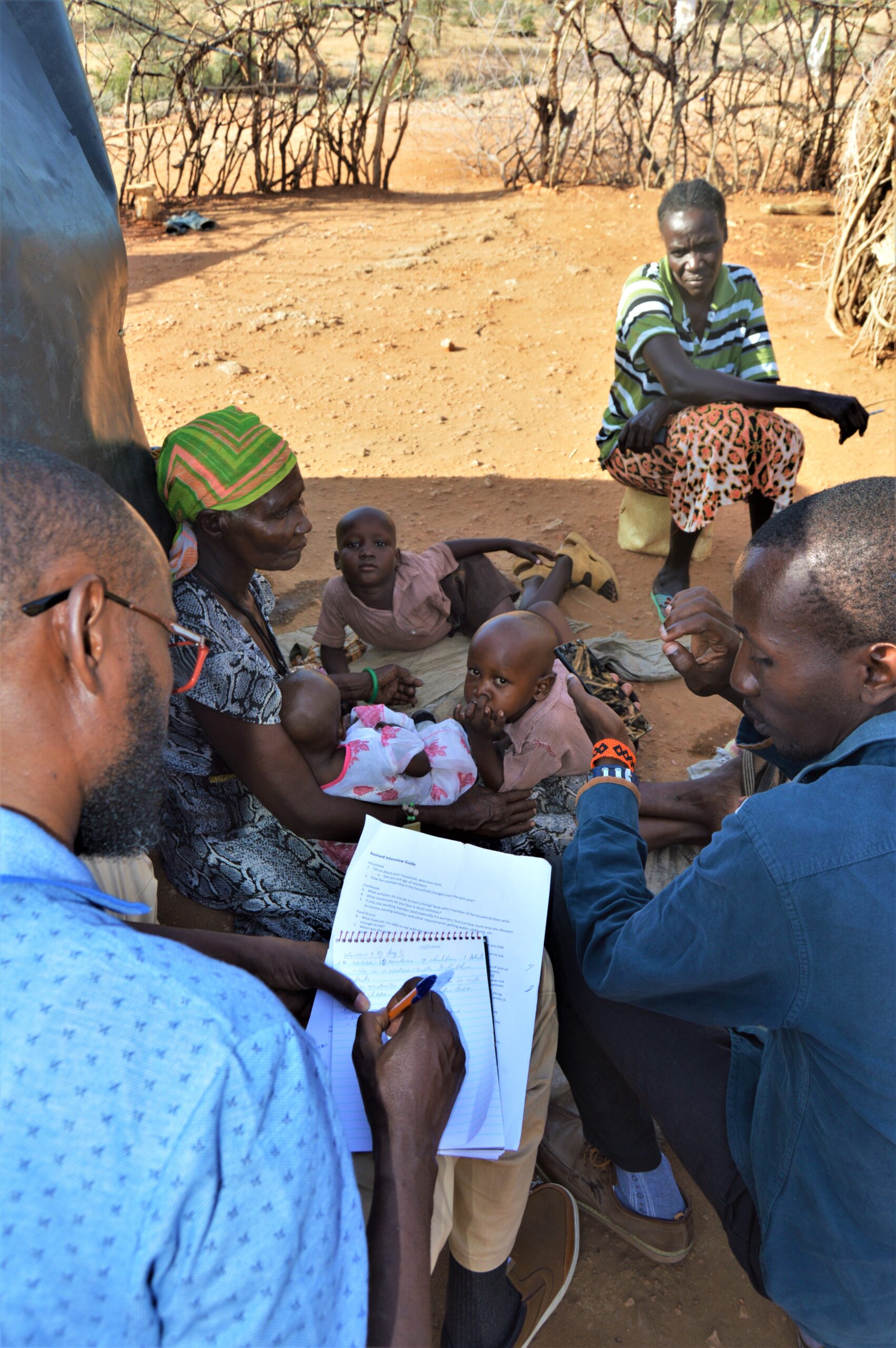
This paper reviews issues with contemporary humanitarian information and early warning systems. While the cases focus on the East Africa region, they have broader implications as well.

A study of the effectiveness of the Integrated Phase Classification (IPC) system, as it is used to identify famine and levels of food insecurity in Yemen.
A study of the effectiveness of the Integrated Phase Classification (IPC) system, as it is used to identify famine and levels of food insecurity in Yemen.
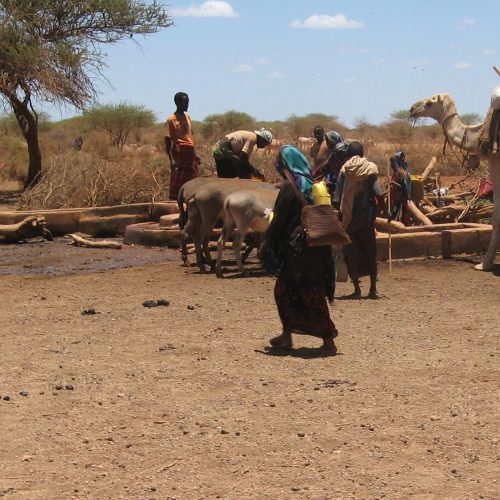
The humanitarian situation in Somalia is among the world’s most enduring current crises. As a result of conflict and a very weak central state, the country ran for two decades…
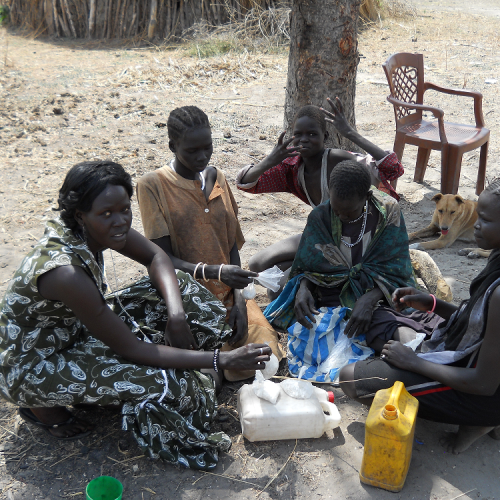
A study of the effectiveness of the Integrated Phase Classification (IPC) system, used to identify famine and levels of food insecurity, in South Sudan.
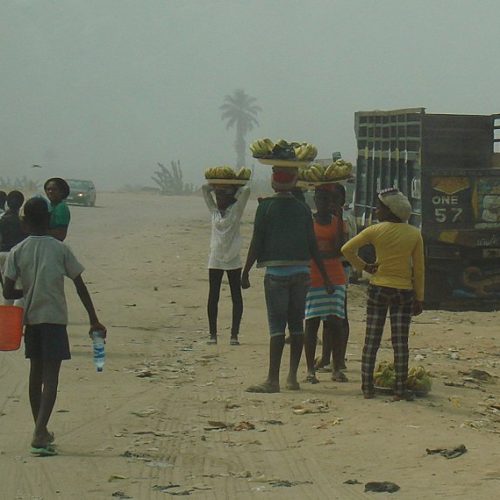
Ce rapport examine le Cadre Harmonisé pour mieux comprendre les contraintes techniques et politiques à l’analyse des famines et des urgences extrêmes.
This report examines the Cadre Harmonisé in Nigeria to better understand the technical and political constrains to analyzing famines and extreme emergencies.